


Traffic Impact Analysis (TIA)
Expert traffic impact analysis, traffic impact study, and traffic memo services — From scoping to agency approval, we handle it all.
On-time delivery. Clear communication. No surprises.
What is a traffic impact analysis?
A traffic impact analysis (TIA) — also called a traffic impact study (TIS) or a traffic impact assessment — is an engineering study that evaluates how a proposed development will affect the surrounding road network. The three terms describe the same deliverable; which one you see depends on the agency reviewing your project. A TIA forecasts the new trips your development will generate, analyzes their effect on nearby intersections and site access, and recommends the improvements needed to keep traffic moving safely. In most jurisdictions it must be sealed by a licensed Professional Engineer before a city will accept it.
Do I need a TIA?
Most local agencies require a traffic impact analysis once a development is expected to generate 100 or more new trips in the peak hour, measured once the project is fully built and occupied. Those trip estimates come from the ITE Trip Generation Manual, which publishes rates for dozens of land use types. Below that threshold, many agencies accept a shorter traffic memorandum instead, sometimes called a traffic statement or a summary letter.
The trip threshold is not the only trigger. Your city or county may also require a study for a rezoning, a significant increase in trip generation, or a new driveway on an arterial road, and if your site takes access from a state-maintained road, the state department of transportation reviews the access permit as well. In Texas, that means local triggers plus TxDOT review for access from a highway, frontage road, or FM road. Two reviewers does not mean two studies: one traffic impact analysis normally serves both, as long as the scope is agreed with each of them before work begins.
What does a TIA include?
We start with existing conditions, arranging turning-movement counts and field data collection wherever current information is not already available and acceptable to the agency. From there we forecast the trips your development will generate using ITE trip generation rates, add them to existing and projected volumes, and test each study intersection for capacity and level of service under HCM methodology. We then review site access and internal circulation, and recommend mitigation wherever an intersection or driveway falls short. Most agencies also expect signal warrant checks, turn-lane and storage-length analysis, and a build versus no-build comparison for the opening year and a future horizon year. We model in Synchro and SimTraffic, and deliver the report sealed and ready to submit.
How much does a TIA cost?
Most traffic impact analyses run $7,000 to $25,000. The range is driven by how many intersections fall inside the study area, how many horizon years the agency wants, and how much revision the review cycle takes.
How long does a TIA take?
Four weeks is standard for a typical single-site TIA. The schedule depends mainly on two things: whether usable traffic counts already exist or new ones have to be collected, and how complex the development and the surrounding roadway network are. If your submittal deadline is sooner than that, tell us early and we will work to an accelerated schedule where the data and the agency's process allow it.
Who prepares a traffic impact analysis or traffic impact study?
In most states a TIA has to be prepared by a licensed engineer and carry a PE seal before the reviewing agency will accept it. Gradient Systematics is licensed in 16 states, and every report we issue is sealed by a PE licensed in the jurisdiction reviewing the project.
Why Developers and Design Teams Trust Gradient Systematics
One team, One point of contact, From the first scoping call to the final agency approval.
We define the scope before work begins
We review your site plan, identify exactly what the agency will require, and determine whether you need a full traffic impact analysis, a traffic memo, or another level of study. The right scope from day one means no surprises later.
We handle every data requirement
Traffic counts, existing conditions, and agency coordination are all managed by us. We collect field data, review existing traffic patterns, and stay in contact with the reviewing agency throughout so nothing gets missed and your project keeps moving.
We deliver analysis that meets every agency requirement
Synchro and SimTraffic for capacity and operations. GIS-based exhibits that make trip distribution and mitigation easy to follow. Background growth, nearby development, and horizon-year traffic all accounted for. One thorough study that anticipates every question before the agency asks it.
We stay with you through approval
We prepare the report, manage the agency submittal, and guide you through every round of comments. One point of contact from the first scoping call to final approval.
Selected TIA Projects
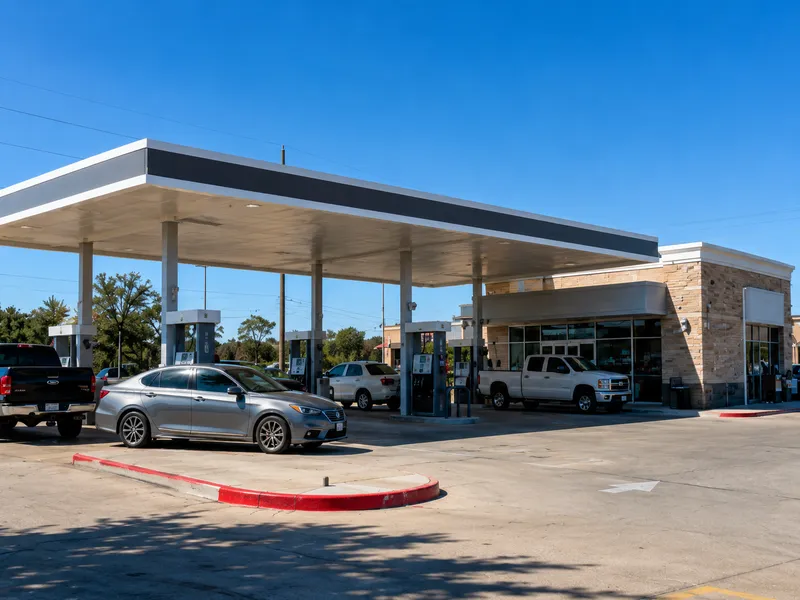
Fuel Station & Retail Development in Fort Worth
A proposed fuel station and convenience store with a drive-through component required a traffic impact analysis to satisfy both City of Fort Worth and TxDOT access standards — a dual-jurisdiction review that adds complexity to the permitting process. The City of Fort Worth required intersection analysis at three study locations, driveway access evaluation, and drive-through queueing review.
Gradient’s analysis incorporated trip generation with pass-by and internal capture adjustments, Synchro-based capacity modeling, a five-year crash history review, and a detailed mitigation plan. Recommended improvements included signalization of two stop-controlled intersections and channelized right-turn lanes at the signalized intersection. By addressing all City of Fort Worth and TxDOT review comments in the initial submittal, the gas station traffic impact analysis received agency approval without revisions — allowing the developer to proceed directly to permitting.
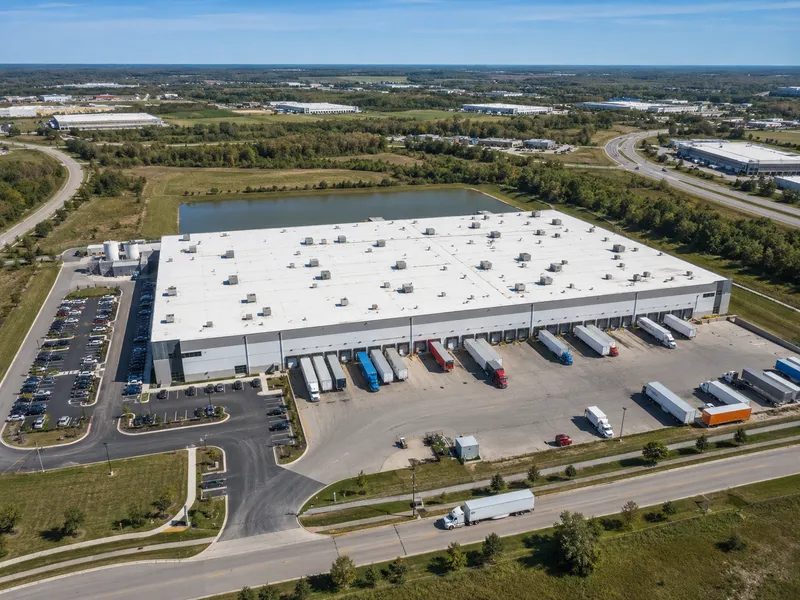
Industrial Development in Lancaster
A large-scale food processing and warehouse facility along a state-maintained arterial in Lancaster, Texas presented one of the more complex traffic impact study scopes in the DFW market — three construction phases through 2035, heavy vehicle trip generation, and dual driveway access requiring TxDOT coordination.
The industrial development traffic study identified turn-lane improvements at both site driveways, including right-turn deceleration and acceleration lanes phased with construction, and dedicated left-turn lanes based on TxDOT Roadway Design Manual warrants. Driveway spacing was verified against TxDOT Access Management standards. Gradient delivered the phased analysis within the city’s review cycle, and the study was approved with all intersections and the adjacent arterial corridor maintaining acceptable operations across all phases — clearing the path for the developer’s construction timeline.
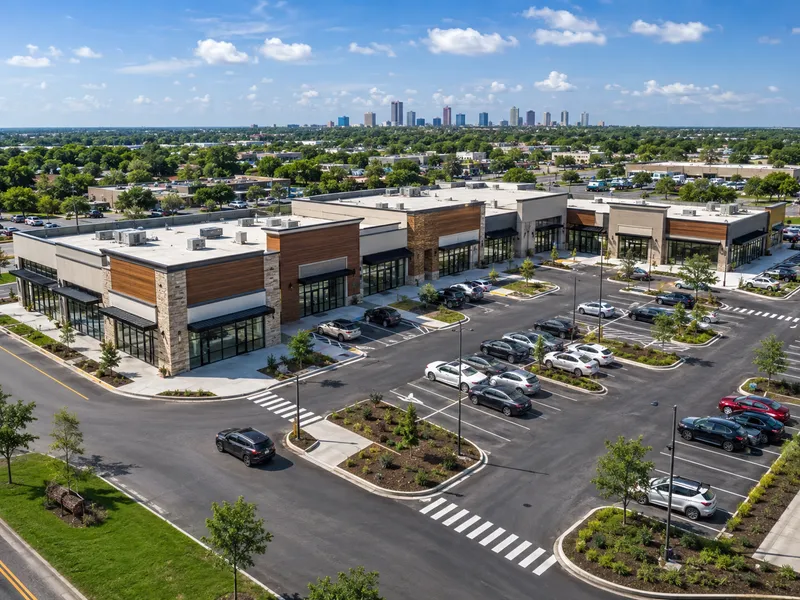
Retail Plaza Development in Fort Worth
A retail and office strip mall in Fort Worth, Texas required a traffic impact analysis covering two separate build-out phases — an initial retail opening followed by a later office component. The phased timeline meant each phase needed its own trip generation, distribution, and capacity evaluation against different background traffic conditions. The City of Fort Worth required Synchro-based capacity analysis at four study intersections, driveway access evaluation, sight distance review, and auxiliary lane assessment.
The retail traffic impact analysis demonstrated that all study intersections maintained acceptable operations under both phase build-out conditions, with no signal warrants or turn-lane warrants triggered. The site’s dual-access design — with driveways on two separate streets — effectively distributed traffic across the surrounding network. The straightforward result reflects thorough upfront scoping with City of Fort Worth staff, and the study was approved without any required mitigations, enabling the developer to move forward on schedule.
How We Deliver a TIA
Our standard timeline is four weeks. Need it sooner? We'll build the schedule around yours.
This schedule assumes timely availability of site plans, land use details, and agency scoping responses. We routinely compress or extend timelines to match your permitting deadline.
How Much Does a Traffic Impact Analysis Cost?
A traffic impact analysis typically costs between $7,000 and $25,000. The final fee depends mainly on how complex the analysis is — a straightforward site with a single access point and a few study intersections sits at the lower end, while multi-phase developments involving multiple intersections, horizon-year scenarios, and multi-jurisdiction review fall toward the top.
We handle traffic data collection — turning-movement counts and field measurements — and quote it separately, since the amount of data a project needs can vary widely.
We provide a clear scope and fixed fee before any work begins.
What influences the cost
- Complexity of the analysis — number of study intersections, scenarios, and development phases
- Level of study required — a traffic memo costs less than a full TIA
- Jurisdiction and review requirements — some agencies require a more detailed scope
Tell us about your project, we'll handle the rest.
Request a FREE TIA ScopingProject Types We Support
Gradient provides traffic impact analysis for site development projects of every type across Texas and the U.S.
Multifamily
Community traffic planning
Mixed-Use
Circulation design & access
Retail
Access optimization
Restaurant / Drive-Through
Queueing & stacking analysis
Gas Station / C-Store
Fuel queue & access review
Industrial / Warehouse
Truck routing & distribution
School / Daycare
Pickup/drop-off circulation
Medical Office
Patient & emergency access
Office
Campus traffic management
Redevelopment / Infill
Trip credit & net-new analysis
Large Planned Developments
Master-plan traffic planning
Special Generators
Transit-oriented & unique uses
Traffic Impact Study and TIA Services Across Texas
Gradient Systematics provides traffic impact analysis services across Texas, from major metros to fast-growing communities. Our team regularly completes TIA studies for development projects throughout the Dallas-Fort Worth metroplex, Houston, Austin, San Antonio, and El Paso, as well as mid-size markets like Waco, Lubbock, Corpus Christi, and the Midland-Odessa corridor.
TIA requirements vary significantly across Texas cities, counties, and TxDOT districts, each with its own trip generation thresholds, methodologies, and review expectations. We have developed direct familiarity with traffic reviewers and planning staff across multiple TxDOT districts — including Dallas, Fort Worth, Houston, Austin, and San Antonio — allowing us to scope and deliver studies aligned to your specific jurisdiction. Understanding these differences upfront helps avoid unnecessary revisions during review.
For projects involving municipal reviews, regional MPO coordination, or TxDOT permitting anywhere in Texas, our team serves as your single point of contact from initial scoping through agency approval. Whether your project requires a straightforward traffic memo or a multi-phase traffic impact study, we tailor the scope to what the jurisdiction actually requires across all development types and markets statewide.
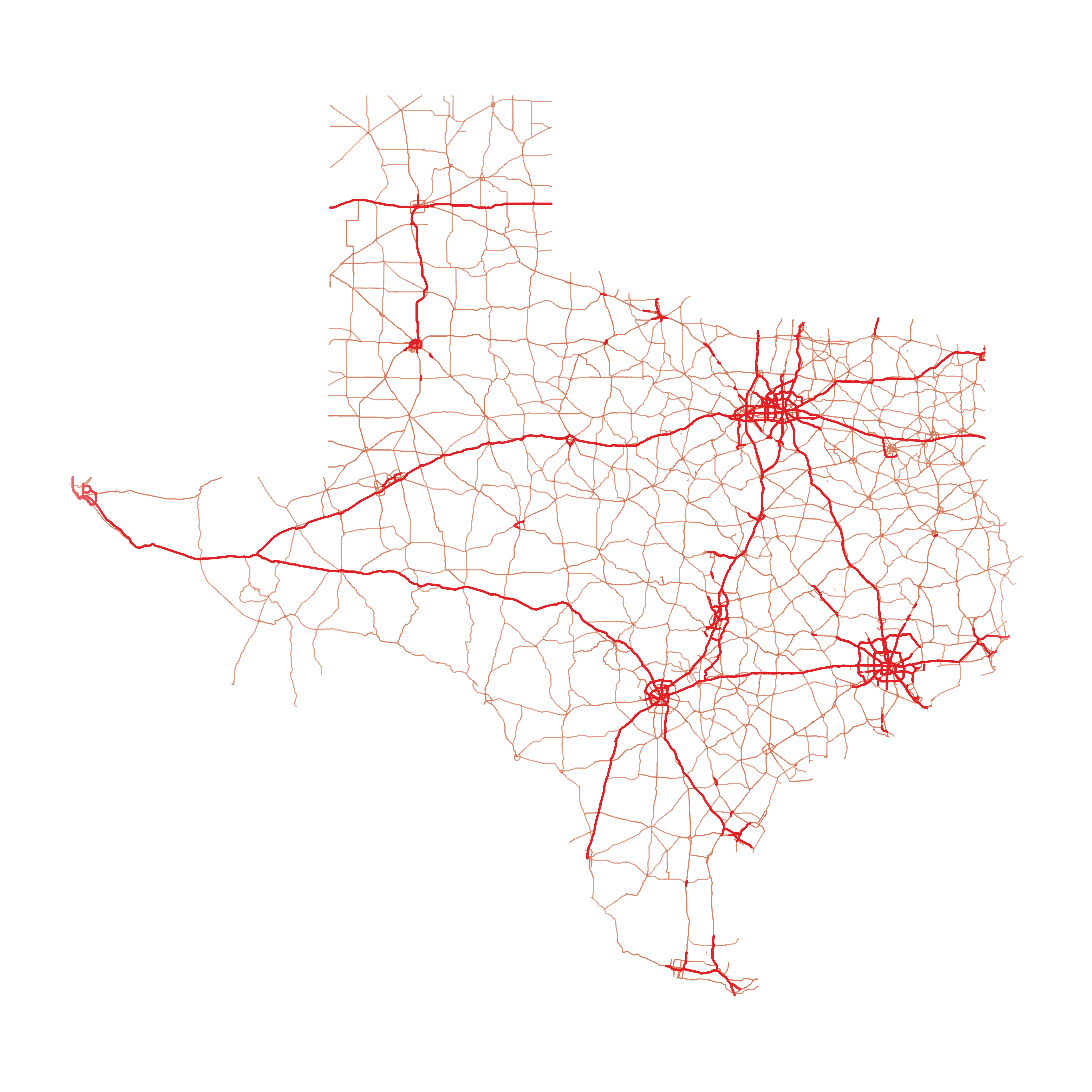
TxDOT District Coordination — For projects near state highways, frontage roads, FM roads, or TxDOT-controlled access points, we help coordinate traffic analysis assumptions, access considerations, and review requirements with the applicable TxDOT district.
Nationwide Reach — Gradient Systematics is licensed to provide traffic engineering services in 16 states. While our deepest experience is in Texas and DFW, we support development teams with TIA needs across multiple jurisdictions.
Traffic Impact Analysis by State & Metro
Traffic Impact Analysis by State
Traffic Impact Analysis by Texas Metro
Houston TIA
City of Houston, Harris County, and suburban reviews for industrial, retail, and multifamily projects.
San Antonio TIA
Access management and turn-lane warrants along the I-35, US 281, and Loop 1604 corridors.
Austin TIA
TDM plans, mode-split, and multimodal analysis under Austin's stricter TIA guidelines.
McAllen TIA
Cross-border freight and Rio Grande Valley growth along US 83, US 281, and bridge corridors.
El Paso TIA
Binational crossing traffic and freight from Ciudad Juárez that shape every border-metro study.
New to traffic studies? Read our plain-language guide: What Is a TIA?
Our Traffic Study Services
Traffic Impact Analysis (TIA)
Comprehensive traffic studies for mixed-use, retail, office, industrial, healthcare, and residential developments. Full ITE Trip Generation, HCM analysis, Synchro/SimTraffic modeling, and mitigation design.
Traffic Impact Study (TIS)
Detailed traffic analysis required for zoning changes and site plan approvals. We handle scoping meetings, data collection, capacity analysis, and coordination with all reviewing agencies.
Traffic Memorandum
Simplified assessments for smaller developments below full TIA thresholds. Focused analysis with targeted mitigation strategies to expedite approvals for projects under 100 peak-hour trips.
Preliminary Traffic Assessment
Initial evaluations to determine study requirements and potential waivers. We handle scoping meetings with jurisdictions, threshold analysis, and TIA waiver justifications.
Signal Warrant Analysis
MUTCD/TMUTCD signal warrant studies, justification reports, and timing optimization. Direct coordination with TxDOT and city traffic departments for new signals and modifications.
Parking & Circulation Studies
Parking demand analysis, shared parking models for mixed-use, internal circulation design, loading zones, and ADA compliance. Our proprietary shared parking model optimizes requirements.
Frequently Asked Questions
TIA Essentials
What are the TIA requirements in Texas? +
TIA requirements in Texas vary by municipality, county, and TxDOT district, but most jurisdictions follow common thresholds:
- 100+ peak-hour trips — most municipalities require a full TIA at or above this threshold
- 750+ daily trips — many cities use daily trip counts as an additional trigger
- 50–100 peak-hour trips — some jurisdictions require a traffic memo or technical memorandum
- Under 50 peak-hour trips — typically exempt, though some cities have special conditions
Houston (TxDOT Houston District) — Developments under 50 peak-hour trips are generally exempt. A minor traffic study (technical memo) applies for 50–150 peak-hour trips. A major traffic study is required for 150+ peak-hour trips or 1,500+ daily trips.
Austin — The City of Austin maintains comprehensive Transportation Impact Analysis guidelines covering TDM, trip generation, mode split, vehicle trip reductions, and access management analysis.
San Antonio, El Paso, and other metros — Each city sets its own thresholds and study scope requirements. Most align with the 100 peak-hour trip standard, but level-of-detail requirements vary from technical memos to formal reports.
All TIAs in Texas must be prepared and sealed by a Texas Registered Professional Engineer. Many agencies also prefer or require a Professional Traffic Operations Engineer (PTOE).
Not sure what applies to your project? Contact us and we can help identify the applicable requirements for your jurisdiction.
What are the TIA requirements in Dallas-Fort Worth? +
TIA requirements vary across DFW municipalities, but most cities in the region require a Traffic Impact Analysis when a development generates 100 or more peak-hour trips. Some cities also trigger requirements based on daily trip counts (typically 750+ ADT), rezoning applications, or proximity to congested corridors.
Examples of development sizes that commonly trigger a TIA in DFW:
- Single-family residential: 70+ dwelling units (daily) or 150+ units (peak hour)
- Multifamily residential: 120+ dwelling units (daily) or 220+ units (peak hour)
- Shopping center: 15,000+ sq ft
- General office: 45,000–55,000+ sq ft
- Industrial / warehouse: 70,000+ sq ft
Additional triggers in many DFW cities include:
- Rezoning, additions, or changes of occupancy that increase trip generation by 20%+
- Developments generating 50+ directional peak-hour trips where adjacent roads operate below LOS C
- Projects requiring new driveways or access points on arterial roads
- TxDOT coordination for projects near state highways, frontage roads, or FM roads
Cities like Dallas, Fort Worth, Plano, Frisco, McKinney, Arlington, and Richardson each maintain their own review processes. Gradient has experience navigating TIA reviews across DFW — send us your site plan and we can help determine what your project requires.
What is the difference between a TIA and a traffic memo? +
Is a traffic impact assessment the same as a Traffic Impact Analysis? +
Do you provide traffic counts and data collection? +
Can you help if our TIS was rejected or needs revisions? +
I am required to do a TIA — how can Gradient Systematics help? +
Can I request a TIA waiver? +
What information do I need to provide for a TIA? +
Does my TIA need to be sealed by a Texas PE? +
What does a TIA from Gradient Systematics include? +
What do I actually receive at the end? +
TIA Requirements by Development Type
Do I need a TIA for a multifamily development? +
Multifamily developments (apartments, condos, townhomes) frequently trigger TIA requirements. Using ITE rates, a 200-unit apartment complex can generate approximately 88 PM peak-hour trips. Most Texas jurisdictions require a TIA at 100+ peak-hour trips, so projects above roughly 220–250 units will typically need a full study.
Even smaller projects may require a traffic memo if they involve rezoning, new access points on arterial roads, or are located near congested intersections. Key analysis areas include site access, internal circulation, parking adequacy, and pedestrian connectivity.
Do I need a TIA for a mixed-use development? +
Mixed-use projects often require a TIA because they combine multiple trip-generating uses (residential, retail, office, restaurant) on one site. However, mixed-use developments may benefit from internal capture reductions — trips that stay within the site rather than impacting the external road network.
The TIA for a mixed-use project typically involves separate trip generation calculations for each land use, internal capture adjustments per ITE methodology, and careful analysis of access points, circulation, and shared parking.
Do I need a TIA for a retail or shopping center? +
Retail developments are among the highest trip generators per square foot. A 15,000 sq ft shopping center can generate over 50 peak-hour trips, and larger centers easily exceed the 100-trip threshold. Pass-by trip reductions (vehicles already on the road that stop in) can reduce the net new trips, but most retail projects above 10,000–15,000 sq ft will need at least a traffic memo.
Key issues include driveway location and spacing, turn-lane warrants, sight distance, shared access with adjacent parcels, and pedestrian safety.
Do I need a TIA for a restaurant or drive-through? +
Restaurants, especially those with drive-throughs, are high trip generators. A fast-food restaurant with a drive-through can generate 30+ peak-hour trips per 1,000 sq ft — meaning even a 3,000 sq ft building may trigger TIA requirements.
Beyond trip generation, agencies often focus on drive-through queueing and stacking analysis to ensure vehicles waiting in line do not block internal circulation, parking, or spill onto adjacent streets. Synchro and SimTraffic simulation may be required to demonstrate adequate queue storage.
Do I need a TIA for a gas station or convenience store? +
Gas stations and convenience stores with fuel pumps are high trip generators with significant pass-by traffic. A gas station with convenience store can generate over 150 peak-hour trips per fueling position, though a large percentage (50–60%) are typically pass-by trips already on the road network.
Even after pass-by reductions, many gas station projects require a TIA or traffic memo. Key concerns include fuel queue stacking at pumps, driveway spacing (especially near intersections), tanker truck access and turning movements, and conflicts between fuel island circulation and convenience store parking.
Do I need a TIA for an industrial or warehouse development? +
Industrial and warehouse developments generate fewer trips per square foot than retail but involve a high percentage of truck traffic, which affects roadway operations differently. A 100,000+ sq ft warehouse can generate enough peak-hour trips to trigger a TIA.
Truck routing, turning radii at intersections and driveways, dock access, internal circulation for tractor-trailers, and impacts on surrounding residential areas are key study elements. AutoTURN analysis is often required to verify that trucks can navigate the site and adjacent intersections.
Do I need a TIA for a school or daycare? +
Schools and daycare facilities generate concentrated traffic during arrival and dismissal periods. Even smaller facilities can create significant localized impacts due to parent pickup/drop-off queueing, bus staging, and pedestrian safety needs.
Many jurisdictions require a traffic circulation study or TIA for schools regardless of trip count thresholds. Key analysis areas include stacking and queue length for parent vehicles, bus circulation and staging, pedestrian routes and crosswalks, and coordination with adjacent school zone speed limits and signage.
Do I need a TIA for a medical office or clinic? +
Medical offices generate moderate trip rates but often have unique access needs including emergency vehicle access, patient drop-off areas, and ambulance staging. A 50,000+ sq ft medical office building typically exceeds the 100 peak-hour trip threshold.
Urgent care clinics, surgical centers, and specialty practices may have different peak patterns than standard offices. The TIA should address patient circulation, emergency access, pharmacy drive-through queueing (if applicable), and ADA-compliant pedestrian routes.
Do I need a TIA for an office building? +
General office buildings generate approximately 1.15 PM peak-hour trips per 1,000 sq ft (ITE). A 55,000+ sq ft office building typically triggers TIA requirements. Larger office campuses or corporate headquarters may require more extensive analysis including multiple access points, internal roadway networks, and parking structures.
Key considerations include morning and evening peak-hour impacts (which may differ significantly), shared parking with adjacent uses, and transit access where available.
Do I need a TIA for a redevelopment or infill project? +
Redevelopment and infill projects may benefit from trip credits for the previous use on the site. If the new development generates fewer net new trips than the difference between the proposed and existing use, a full TIA may not be required.
However, even with trip credits, agencies may require analysis if the new use changes traffic patterns, peak hours, truck percentages, or access configurations. Infill projects in already congested areas often face closer scrutiny regardless of net trip counts.
Do I need a TIA for a large planned development or master-planned community? +
Large planned developments almost always require a TIA, often with multiple phases and horizon years. Master-planned communities may need area-wide transportation studies that go beyond a single-site TIA to evaluate cumulative impacts on the surrounding network.
These studies typically involve travel demand modeling, phased trip generation, multiple study intersections, coordination with MPOs and TxDOT, and long-range infrastructure planning including new roadways, signals, and turn lanes.
TIA Requirements by Region
Traffic impact analysis requirements vary widely by city, county, and state DOT. Some jurisdictions use peak-hour trip thresholds, others use daily-trip thresholds, and some require a scoping worksheet before determining whether a full TIA, traffic memo, or traffic impact study is needed. Below are common TIA requirements by region, including Texas metro areas and selected states where Gradient Systematics is licensed to provide transportation-impact studies.
What are the TIA requirements in the Dallas-Fort Worth metro area? +
TIA requirements in the Dallas-Fort Worth metroplex vary by city, with each municipality maintaining its own thresholds, submittal requirements, and review processes. Core DFW markets including Dallas, Fort Worth, Arlington, Plano, Frisco, McKinney, Richardson, and Irving each have distinct development review procedures. In North Texas growth communities such as Prosper, Celina, Allen, Denton, Lewisville, Grapevine, Carrollton, Addison, and Rockwall, requirements continue to evolve as these cities update their development codes to manage rapid growth.
Most DFW cities require a TIA when a development generates between 100 and 200 peak-hour trips, though some fast-growing communities have adopted lower thresholds or screening worksheets. Fort Worth and Dallas each maintain their own traffic study guidelines, and many suburban cities reference or adapt those frameworks. Projects with access on TxDOT-maintained roadways may also require coordination with the TxDOT Dallas or Fort Worth district, which runs as a separate review path parallel to the municipal process.
Gradient can help confirm the specific TIA trigger, required scope, and reviewing agency for your DFW project before the study begins.
What are the TIA requirements in the Houston metro area? +
The City of Houston classifies TIA studies into four categories based on new peak-hour trips on the adjacent street: Category I (fewer than 100), Category II (100–499), Category III (500–999), and Category IV (1,000+). Category II through IV studies require a preliminary scoping meeting with the City Traffic Engineer before the study begins. Trip generation must use the current ITE methodology, and City of Houston TIA submittals must bear the seal and signature of a Texas Licensed Professional Engineer.
Since January 1, 2021, all newly submitted TIAs are checked against the City’s TIA Content Guide and OCE Format Requirements for administrative completeness — review will not begin until the TIA passes this check. Analyses must typically use Synchro or City-approved software, and the study scope may include safety, circulation, transit, neighborhood traffic impacts, and pedestrian and bicycle access. The process begins with the City’s Access Management Form (Form A).
Common delay points in Houston include submitting a TIA before the Access Management Form is reviewed, missing scoping exhibits, using unsupported trip-generation assumptions, or not including electronic traffic-count and model files. Across the Houston metro, Sugar Land typically triggers a TIA at approximately 100 peak-hour trips, 1,000 daily trips, or projects involving 100+ acres. Fort Bend County maintains its own TIA guidelines separate from the municipalities.
Full Houston TIA requirements, study categories, submittal sequence and review timelines →
What are the TIA requirements in the Austin metro area? +
Austin is the Texas outlier: it sizes the requirement on daily trips rather than PM peak-hour trips alone. A study is triggered above 2,000 net new unadjusted daily trips, and the City layers on a mandatory TDM plan and a Street Impact Fee that changed how mitigation is assigned. Surrounding cities and counties do not follow Austin's Transportation Criteria Manual and set their own thresholds, usually peak-hour based.
What are the TIA requirements in the San Antonio metro area? +
San Antonio generally requires a TIA when a development generates 76 or more peak-hour trips, per UDC Section 35-502 — lower than the 100-trip standard used by many Texas cities. Projects under 76 peak-hour trips may still need a Peak Hour Trip Generation Form and Turn Lane Assessment. Study levels are grouped as 76–250, 251–1,000, and 1,001+ peak-hour trips, each with increasing scope requirements.
San Antonio’s process is tied to proportional mitigation, meaning the TIA does not just identify improvements — it also supports the calculation of what improvements are attributable to the development. A TIA scoping meeting determines study area, trip generation methodology, trip distribution, analysis scenarios, and background growth rates. Turn lanes may be required at driveways or streets with 500 daily entering right/left-turn trips or 50 peak-hour entering turn trips, even for projects below the 76-trip threshold. Note that downtown, IDZ, commercial retrofits, and TND/TOD projects may have different treatment under the UDC.
Surrounding communities including New Braunfels, Schertz, Boerne, and Converse each maintain their own thresholds and review processes. Bexar County also has review requirements for developments in unincorporated areas.
What are the TIA requirements in El Paso? +
El Paso requires a TIA for developments within city limits and ETJ expected to generate more than 1,000 average daily trips or more than 100 peak-hour trips, per Title 19 (Section 19.18.010). Trip generation must use the latest ITE Trip Generation Manual or locally approved rates. The TIA must be signed, sealed, and dated by a Professional Engineer and is reviewed by applicable city review staff.
A waiver may be requested if prior traffic studies exist or improvements are already in place. For rezoning applications, trip generation is based on the maximum land-use intensity allowed under the proposed zoning, not only the applicant’s current concept plan. El Paso may defer the TIA to subdivision stage if the property is not platted and the project generates fewer than 500 peak-hour trips. An alternate traffic-impact calculation may be considered for projects under 500 peak-hour trips if nearby roadway and intersection LOS is A–D and no safety issues are present.
What are TIA requirements in other Texas cities? +
Texas cities do not use one uniform TIA threshold. Some cities use daily-trip thresholds, some use peak-hour thresholds, and some require a threshold worksheet before determining the study level. San Marcos screens for 300+ daily trips on residential streets or 2,000+ daily trips on non-residential streets. Corpus Christi uses a 501+ weekday peak-hour trip trigger for certain site plan or street closure applications. Other mid-size cities such as Waco, Lubbock, Amarillo, Midland, Odessa, and Laredo each maintain their own requirements.
If access is on a state-maintained roadway, TxDOT may require an access-related engineering study, technical memo, or formal TIA depending on trip generation, access type, roadway context, and district review. TxDOT access review creates a separate review path that runs in parallel with the municipal process.
What are the TIA requirements in California? +
California TIA requirements typically involve two separate questions: CEQA transportation impact, which is usually VMT-based since SB 743 took effect statewide on July 1, 2020, and local operations/access review, which may still require LOS, queuing, driveway, parking, loading, or safety analysis.
Projects within one-half mile of a major transit stop or high-quality transit corridor are generally presumed to have a less-than-significant CEQA transportation impact. Gradient can help confirm the applicable CEQA, local agency, and Caltrans review path before the study is scoped.
What are the TIA requirements in Washington state? +
WSDOT reviews land use development proposals, SEPA submittals, driveways, and access connections affecting state right-of-way. SEPA review can require transportation-impact documentation even when the local TIA threshold is not the only trigger.
Washington studies often become multimodal early because WSDOT and local agencies may look at safety, transit access, pedestrian and bicycle connections, driveway spacing, and neighborhood circulation — not just vehicle delay. Gradient can help determine whether the project needs local SEPA transportation documentation, WSDOT access coordination, or both.
What are the TIA requirements in Colorado? +
Colorado projects often split between local entitlement review and CDOT State Highway Access Permit review. If the project changes access to a state highway or materially changes traffic using an existing access, CDOT may require a Traffic Assessment.
CDOT uses Traffic Assessment Levels to determine the appropriate study type based on design-hourly traffic volume and site-specific access conditions. Municipal TIA requirements vary across Colorado, with each jurisdiction setting its own thresholds and review processes. Gradient can help navigate overlapping municipal and CDOT access requirements before the study is scoped.
What are the TIA requirements in Illinois? +
IDOT requires permits for work within state-maintained roadway right-of-way, and district requirements vary — early district coordination matters. For larger access permits involving signals or turn lanes, the study can involve kickoff meetings, AM/PM analysis, safety review, non-motorized impacts, turn-lane warrants, signal warrants, and a 20-year design scenario. These larger permits can have review timelines of 9 to 14 months from first submission to permit issuance.
In Chicago, CDOT maintains separate Traffic Impact Study guidelines for development review. Gradient can help coordinate early IDOT district outreach and confirm whether local or state review — or both — applies to your project.
What are the TIA requirements in Maryland? +
MDOT SHA requires a Traffic Impact Study for proposed development or redevelopment generating more than 50 peak-hour trips, or when a project is expected to directly affect traffic operations on state roads. SHA studies evaluate capacity, signalization, safety, and multimodal issues, usually in connection with an access permit.
Maryland can involve overlapping reviews: local Adequate Public Facilities Ordinance (APFO) review plus MDOT SHA access review when state roads are affected. This is especially common in Montgomery County, Prince George’s County, and Baltimore-area suburbs. Gradient can help coordinate overlapping local APFO and MDOT SHA access reviews when both apply to your project.
What are the TIA requirements outside Texas? +
Yes. Gradient supports TIA and transportation-impact work outside Texas where our licensing and project team align with the jurisdiction’s requirements. Because thresholds and sealing requirements vary by state, we confirm the applicable city, county, and state DOT review path before scoping the study.
We currently hold licenses in 16 states, including Texas, California, Washington, Colorado, Illinois, and Maryland. Contact us with your project location and we can confirm whether we can support your jurisdiction.
Send Us Your Site Plan and Deadline
We'll help identify likely TIA scope, data needs, review risks, and next steps.